Designing a successful public park playground isn’t just about filling a space. It’s about creating a durable, inclusive, and engaging environment that serves the entire community. For parks and recreation departments across the United States, selecting the right commercial playground equipment for public parks means balancing safety standards, budget constraints, community needs, and long-term maintenance.
This guide breaks down the top playground equipment types that consistently deliver value in city and community park playground design, along with how each supports common municipal goals.
1. Traditional Play Structures (Composite Systems)
Best for: High-capacity play, broad age ranges, and all-in-one solutions
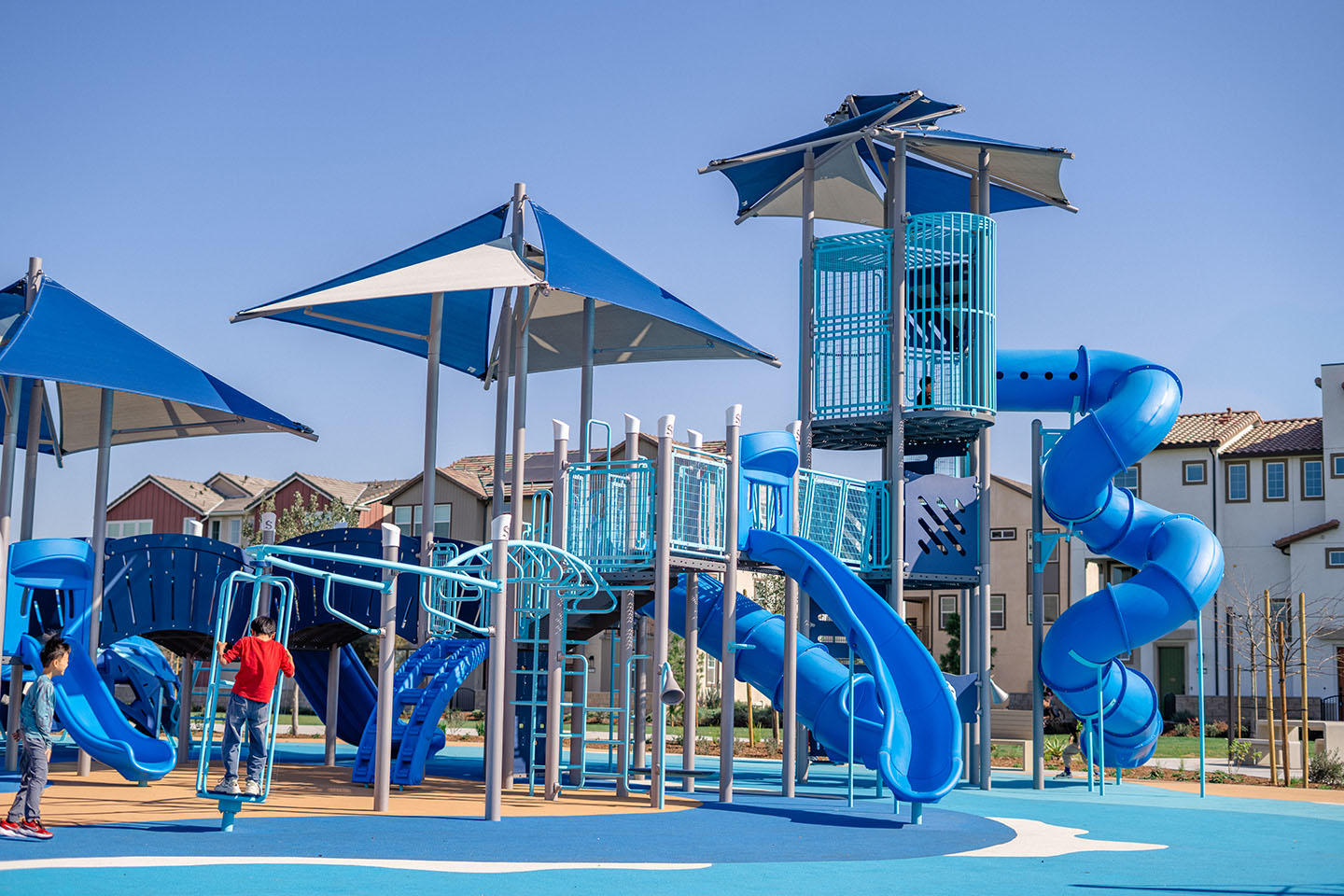
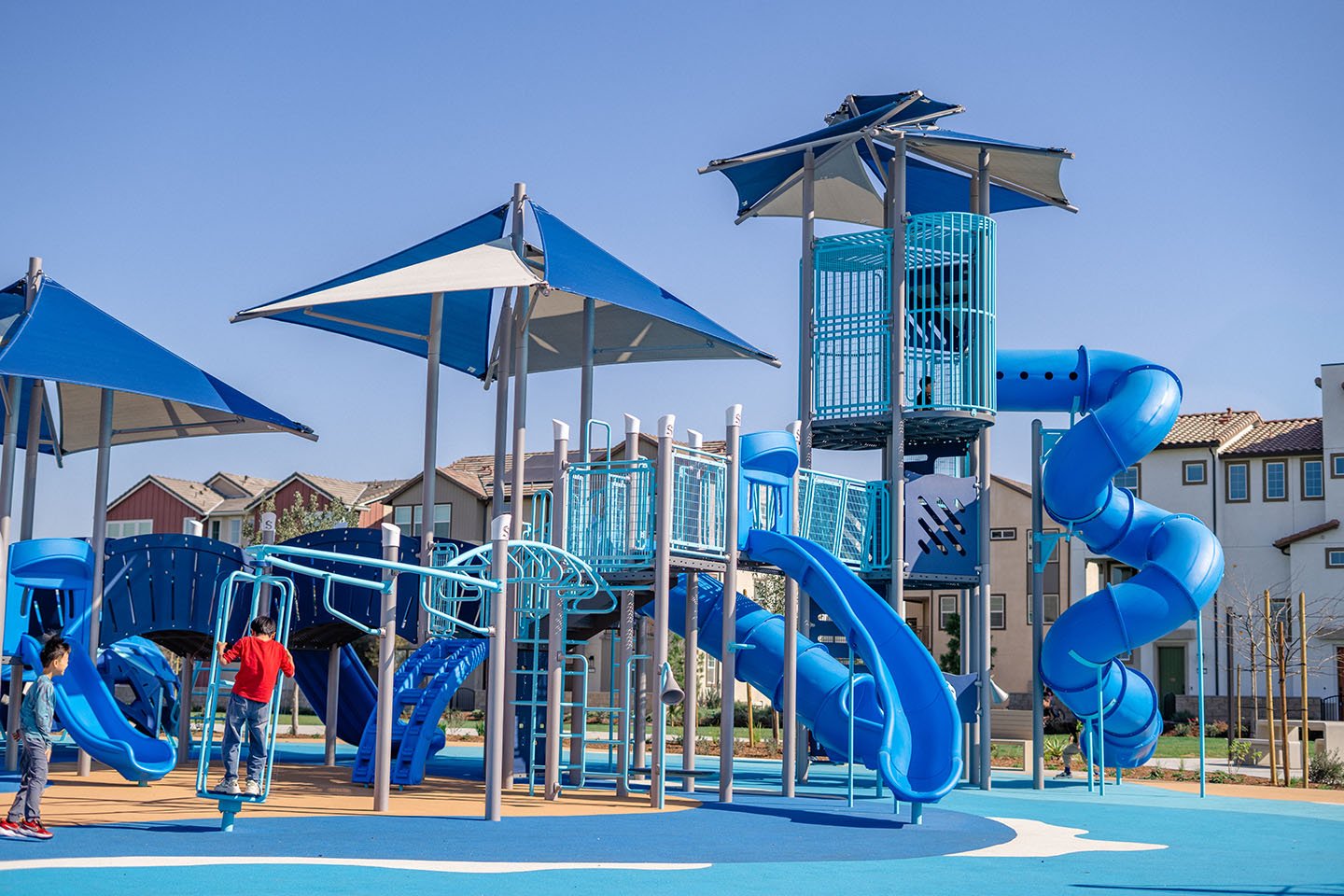
Composite play structures are the backbone of most public park playgrounds. These systems combine slides, climbers, panels, and decks into a single cohesive unit.
Why parks choose them:
-
Maximizes play value in a compact footprint
-
Durably designed for heavy use
-
Cost-effective for serving multiple age groups
Key considerations:
-
Ensure ADA-compliant access points and transfer systems
-
Look for modular designs that allow future expansion
-
Choose materials that withstand heavy traffic and weather extremes
2. Climbing and Fitness-Based Equipment
Best for: Older children, teens, and active communities
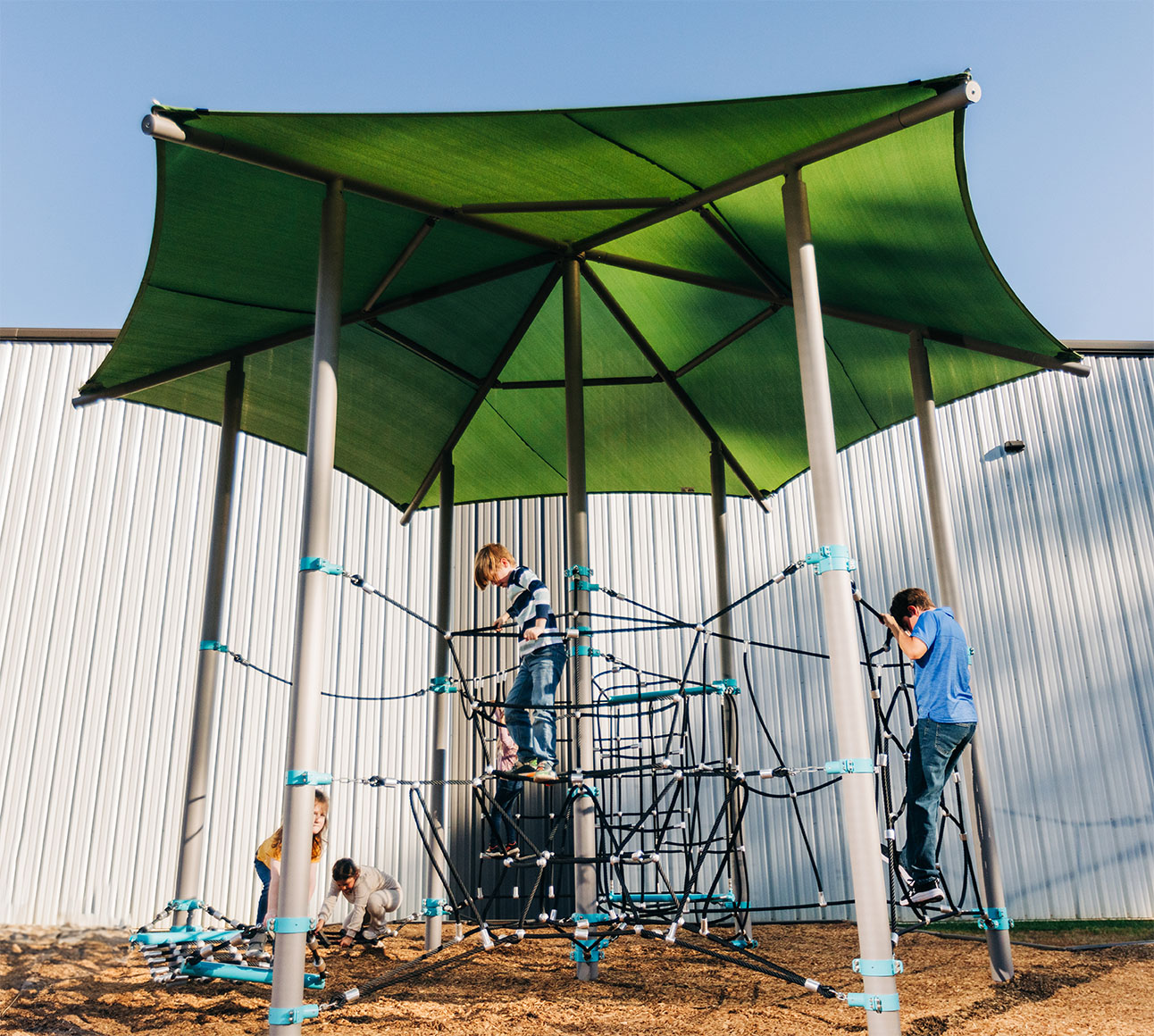
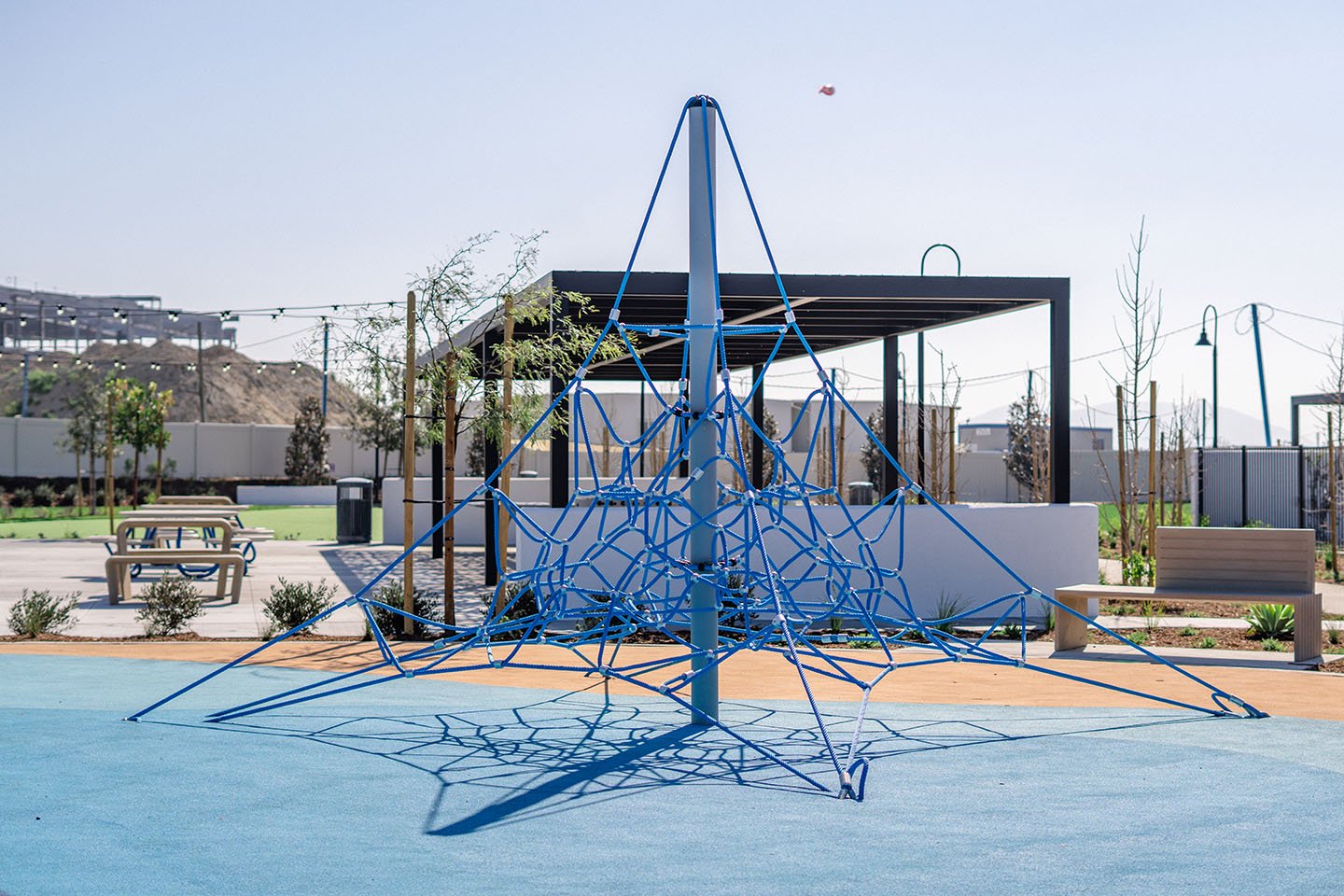
Climbing structures like nets, ropes, and vertical challenges support physical development and keep older kids engaged.
Why parks choose them:
-
Encourages strength, coordination, and risk-based play
-
Appeals to a wider age range, including teens
-
Supports wellness initiatives in parks
Key considerations:
-
Prioritize safety surfacing and fall zones
-
Ensure structural integrity for high-frequency use
-
Combine with shaded areas for user comfort
3. Inclusive and Accessible Play Equipment
Best for: Meeting ADA requirements and community inclusion goals
Inclusive playground components ensure children of all abilities can play together.
Why parks choose them:
-
Aligns with parks department purchasing and standards in the U.S.
-
Supports equity and community engagement initiatives
-
Creates a more welcoming, widely used space
Popular features:
-
Ground-level play panels
-
Inclusive swings and spinners
-
Wide ramps and sensory-rich components
Key considerations:
-
Go beyond minimum compliance and design for true inclusion
-
Incorporate sensory, social, and physical play elements
-
Engage the community early in planning
4. Freestanding Play Components
Best for: Custom layouts and budget flexibility
Freestanding equipment such as swings, spinners, slides, and climbers can be used alone or to enhance larger structures.
Why parks choose them:
-
Flexible placement for phased installations
-
Lower upfront cost compared to large systems
-
Ideal for expanding existing playgrounds
Key considerations:
-
Maintain cohesive design and flow
-
Ensure proper spacing for safety compliance
-
Select commercial-grade materials for longevity

5. Nature-Inspired and Themed Play
Best for: Unique park identity and community engagement
Nature-based and themed playgrounds incorporate organic shapes, textures, and storytelling elements.
Why parks choose them:
-
Enhances visual appeal and park branding
-
Supports imaginative and unstructured play
-
Encourages longer visits and repeat use
Key considerations:
-
Balance aesthetics with durability
-
Use materials suited for local climate conditions
-
Incorporate educational signage when possible
6. Education-Based Play Systems
Best for: Learning-focused environments and school partnerships
Education-based equipment integrates STEM, music, and problem-solving into play.
Why parks choose them:
-
Aligns with education-based play and learning playground trends
-
Adds value for school-adjacent parks
-
Appeals to parents and educators
Examples include:
-
Musical play panels
-
Math and science-based activities
-
Interactive learning stations
Key considerations:
-
Ensure usability for multiple age groups
-
Combine with traditional play for balanced engagement
-
Focus on durability of moving or interactive parts
7. Shade Structures and Site Amenities (Support Elements)
Best for: Comfort, safety, and extended park usage
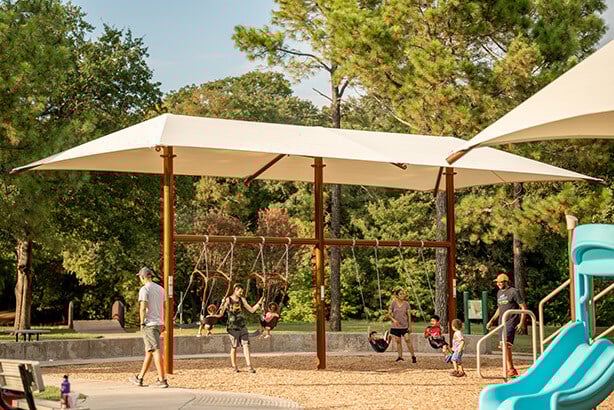
While not traditional play equipment, shade and amenities are critical to playground success.
Why parks choose them:
-
Protects users and equipment from sun exposure
-
Encourages longer visits
-
Supports caregivers and spectators
Key considerations:
-
Integrate shade directly over high-use equipment
-
Pair with seating, tables, and trash receptacles
-
Consider quick-ship options for faster project timelines
Common Challenges When Selecting Playground Equipment for Parks
Even with clear goals, many departments face similar hurdles when choosing equipment.
Budget constraints
Balancing upfront costs with long-term durability is key. Investing in durable heavy-use playground structures often reduces lifecycle costs.
Compliance and safety standards
Navigating ADA, ASTM, and CPSC guidelines can be complex. Work with manufacturers who understand parks department purchasing and standards in the U.S.
Community expectations
Modern parks must serve diverse users. Incorporating community engagement and inclusive play features early in the design process leads to better outcomes.
Maintenance and longevity
High-traffic parks demand materials and designs that hold up over time with minimal upkeep.
How to Choose the Right Mix for Your Park
The most successful playgrounds combine multiple equipment types to meet a variety of needs.
-
Start with a core structure for capacity and versatility
-
Add climbers or fitness elements for older users
-
Integrate inclusive components throughout, not just in one area
-
Include freestanding elements for flexibility and growth
-
Enhance with shade and amenities to improve usability
This layered approach ensures your playground supports both immediate community needs and long-term park goals.
Final Thoughts
Selecting the right commercial playground equipment for public parks is about more than checking boxes. It is about creating a space that brings communities together, encourages healthy activity, and stands the test of time.
By focusing on durability, inclusion, and thoughtful design, parks and recreation departments can build playgrounds that deliver lasting value for every visitor.