Planning a new playground is an exciting opportunity to create a space where children can play and connect. But between selecting equipment, evaluating the site, setting a budget, and considering the needs of your community, there are plenty of details that can be overlooked.
A successful playground starts long before installation day. Taking time to think through the planning process can help you avoid costly changes, make the most of your available space, and create a playground that serves your community for years to come.
Whether you're developing a new community park, updating a school playground, or adding play equipment to an existing property, here are eight common playground planning mistakes to avoid.
1. Choosing Playground Equipment Before Evaluating the Site
It's easy to start planning by looking at playground equipment, but selecting products before evaluating your site can lead to unnecessary challenges.
Every playground site has unique considerations, including available space, existing landscaping, slopes, drainage, underground utilities, access points, and surrounding structures. These factors can influence what equipment will work best and how your playground should be arranged.
Before selecting equipment, take time to understand the site. Consider the usable play area, required safety surfacing, accessibility needs, and any site preparation that may be necessary.
A thorough site evaluation helps ensure your playground design fits the space rather than forcing the space to accommodate the design. Let your sales representative know of any site challenges you think could arise during your initial consultation.
2. Underestimating Your Playground Budget
The cost of playground equipment is only one part of the overall project budget. Focusing exclusively on equipment prices can leave important expenses out of the equation.
Depending on the project, additional costs may include:
- Site preparation and grading
- Concrete work and installation
- Safety surfacing (depending on the type you choose, this could be a big one!)
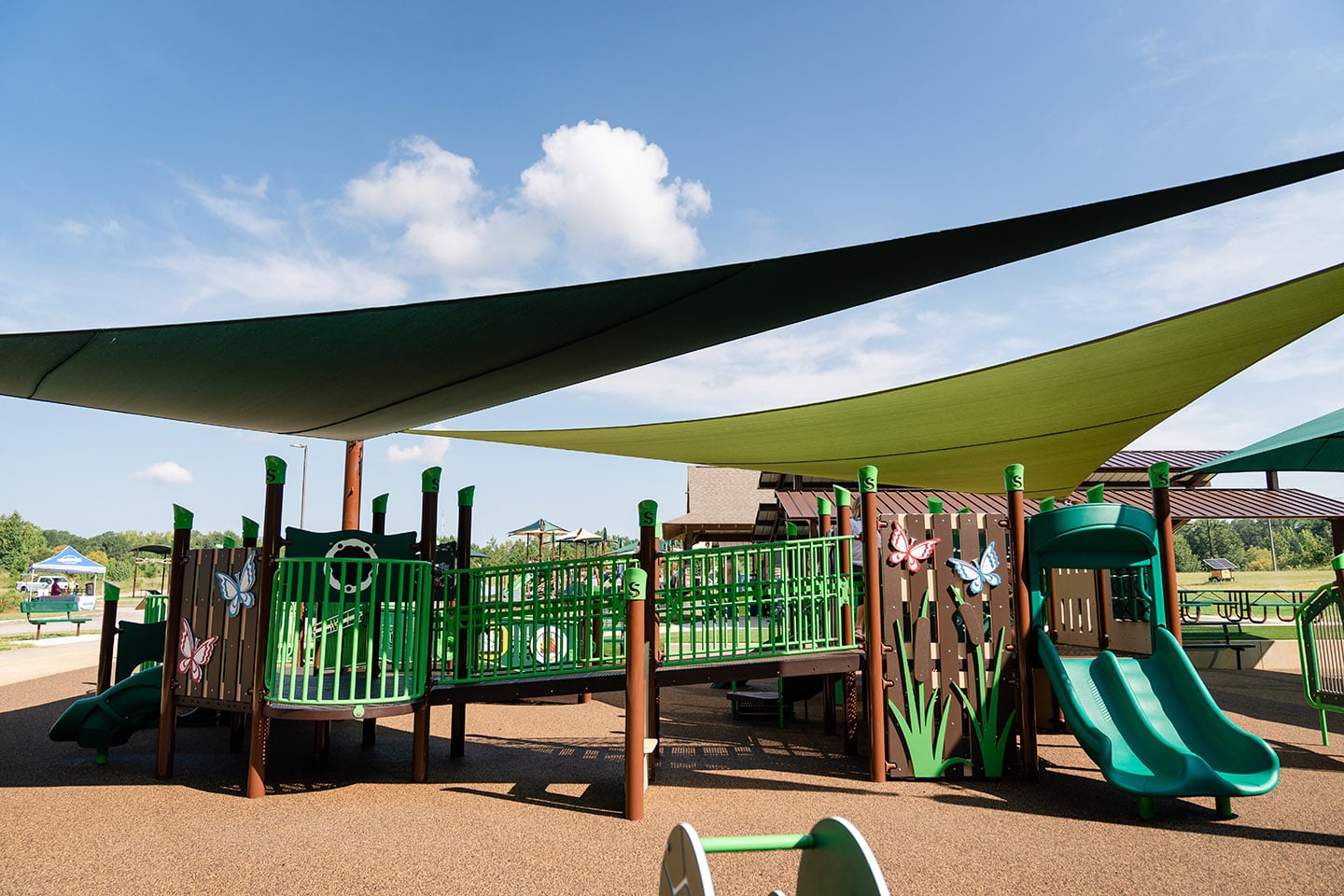
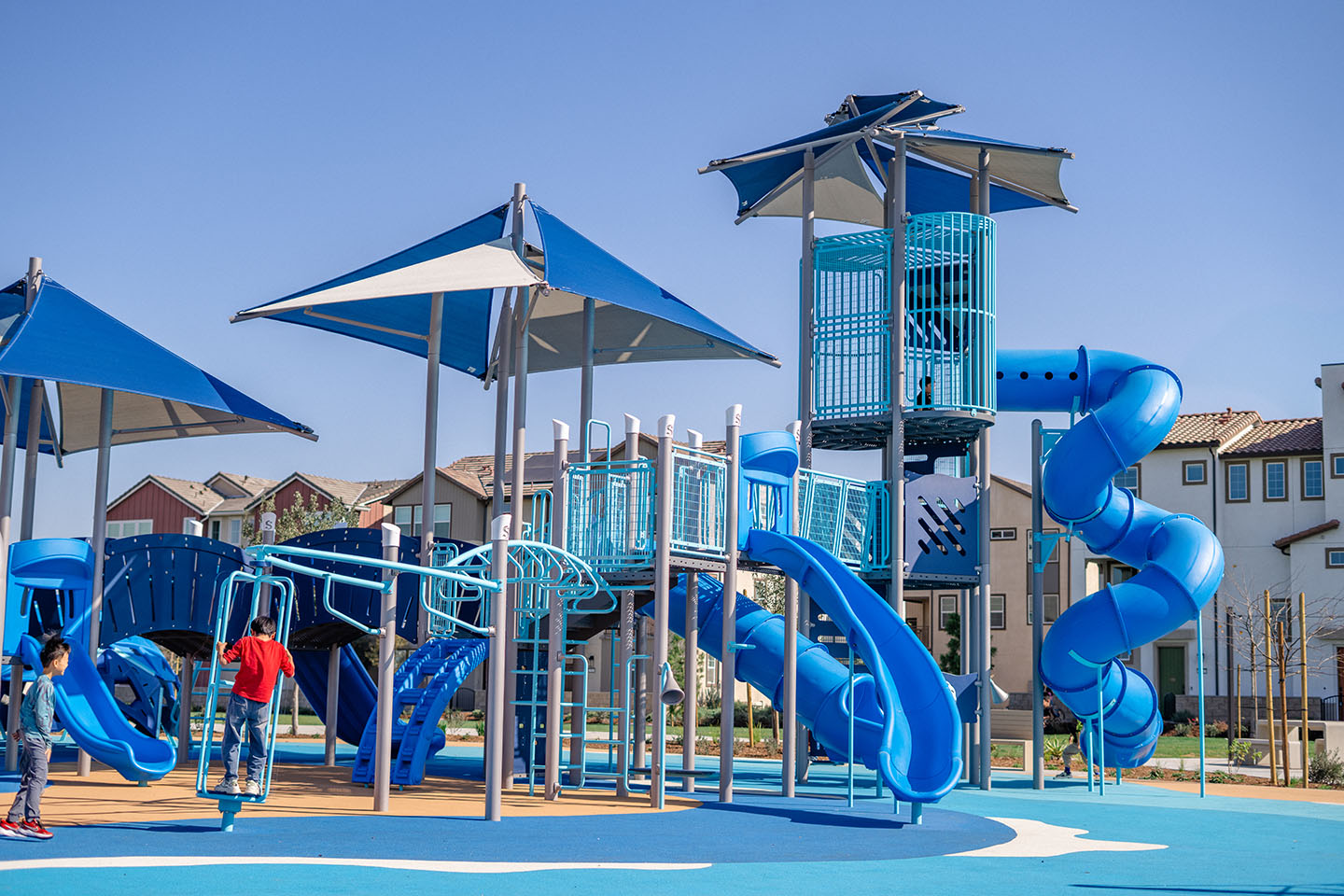
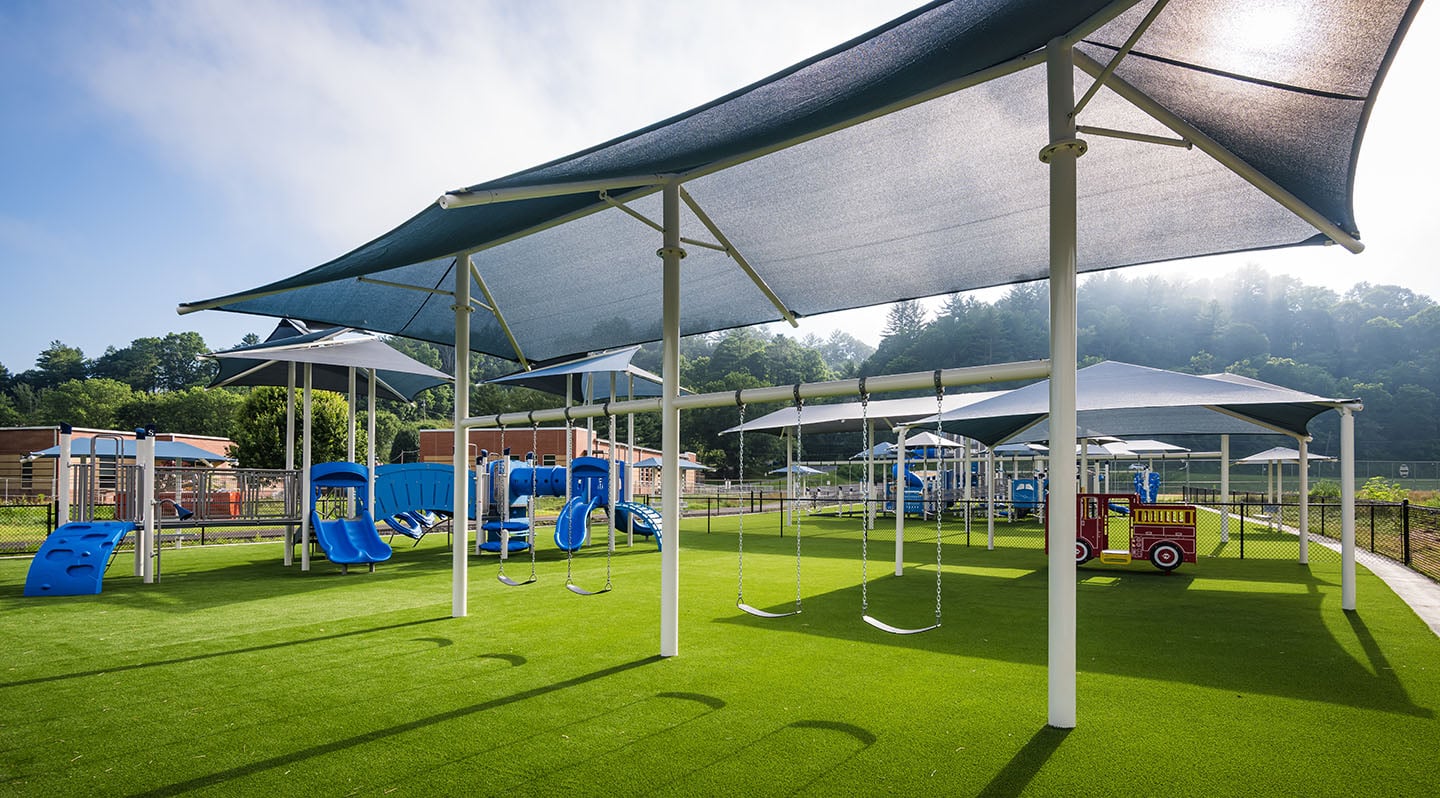
- Shade structures
- Site furnishings, such as benches and trash receptacles
- Landscaping and drainage improvements
- Delivery and freight
It's also important to consider long-term maintenance when establishing your budget. For example, a safety surfacing like turf won't need to be maintained as often as engineered wood fiber (which needs to be replaced as the surfacing becomes displaced).
Establishing a realistic budget early allows you to prioritize the features that matter most while minimizing unexpected expenses later in the project.
3. Overlooking Playground Accessibility and Inclusion
An inclusive playground should provide opportunities for children of different abilities to participate in play together.
One common planning mistake is treating accessibility as an afterthought rather than incorporating it into the initial design. Accessible routes, appropriate safety surfacing, transfer points, and inclusive play components should all be considered from the beginning.
Think beyond meeting minimum accessibility requirements. Consider how children with different physical, sensory, and developmental needs will experience the playground.
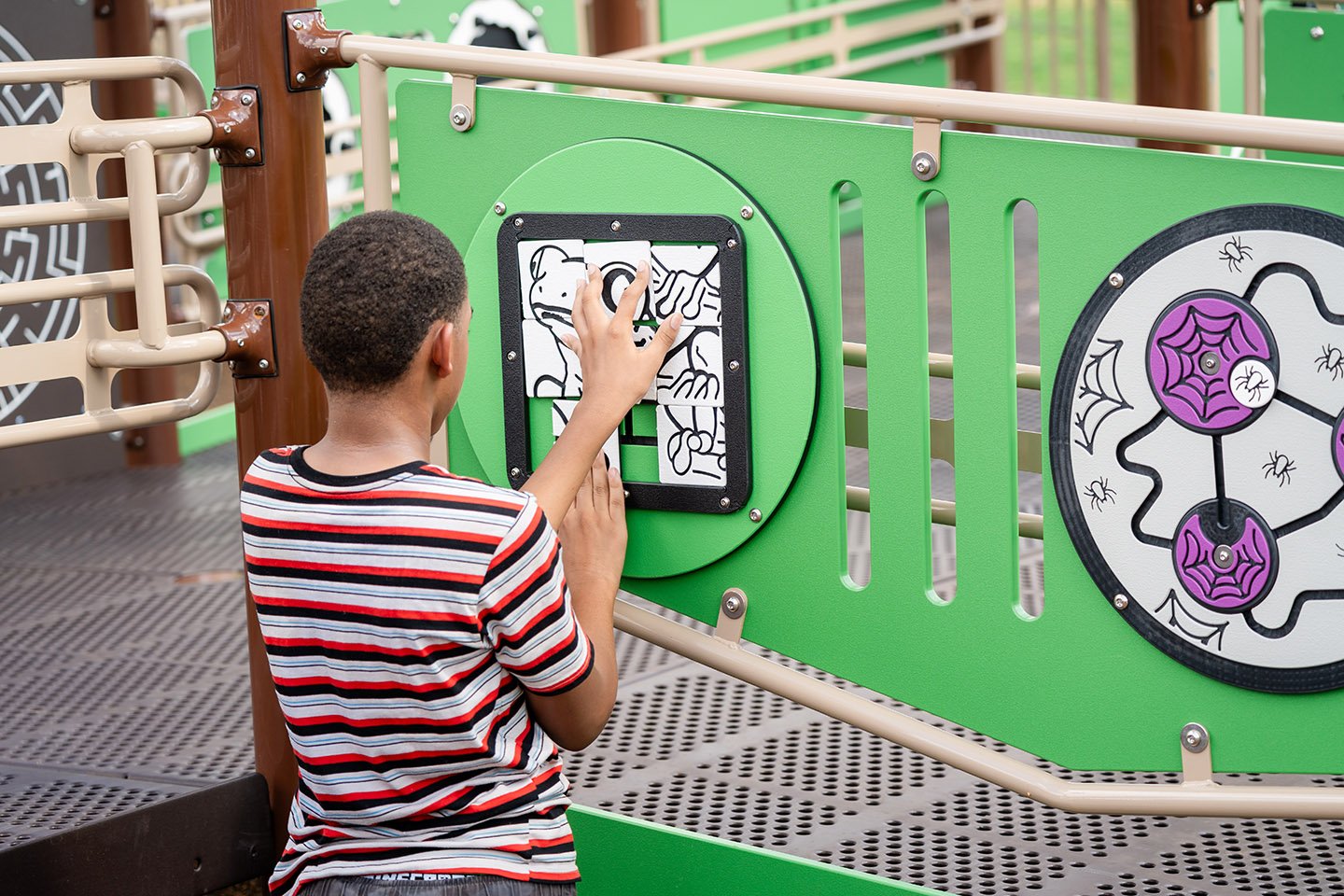
Features such as ground-level play activities, accessible ramps, sensory components, and inclusive spinning equipment can help create more opportunities for everyone to participate.
The goal is to create a playground where children and families feel welcome and have meaningful opportunities to play.
4. Designing for Today Instead of Planning for the Future
Your playground should serve your community for years, not just meet its current needs.
A common mistake is designing around the number and ages of children using the playground today without considering how the space may be used in the future.
For example, a school may experience enrollment changes, a neighborhood may continue growing, or a community park may attract more visitors as additional amenities are introduced.
Consider selecting equipment that accommodates a range of age groups and abilities. You may also want to leave room for future additions, such as shade structures, additional play components, fitness equipment, or site amenities.
Thinking ahead can help extend the usefulness of your playground and make future improvements easier to implement.
5. Forgetting About Shade and Site Amenities
Playground equipment may be the centerpiece of your project, but the surrounding environment plays an equally important role in the overall experience.
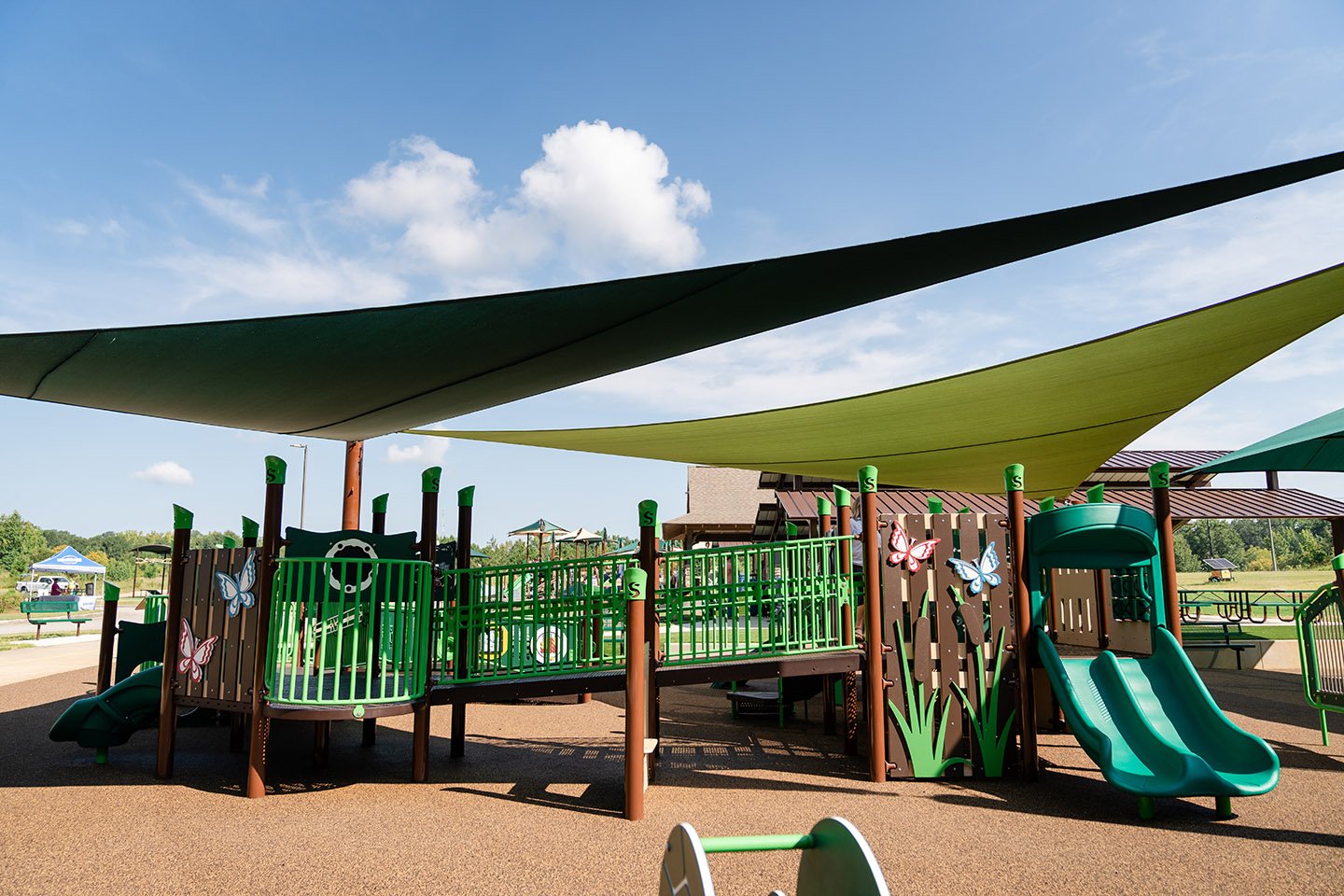
Shade structures, benches, picnic tables, and trash receptacles help make playgrounds more comfortable and functional for children, parents, caregivers, and visitors.
Shade is especially important in areas with significant sun exposure. Incorporating shade structures into the original design can help provide more comfortable spaces for both the children playing and their families.
Seating, gathering areas, and conveniently located amenities can make your playground a more welcoming destination for the entire community.
6. Ignoring the Importance of Play Variety
A playground filled with repetitive activities may not provide the range of experiences children need to stay engaged.
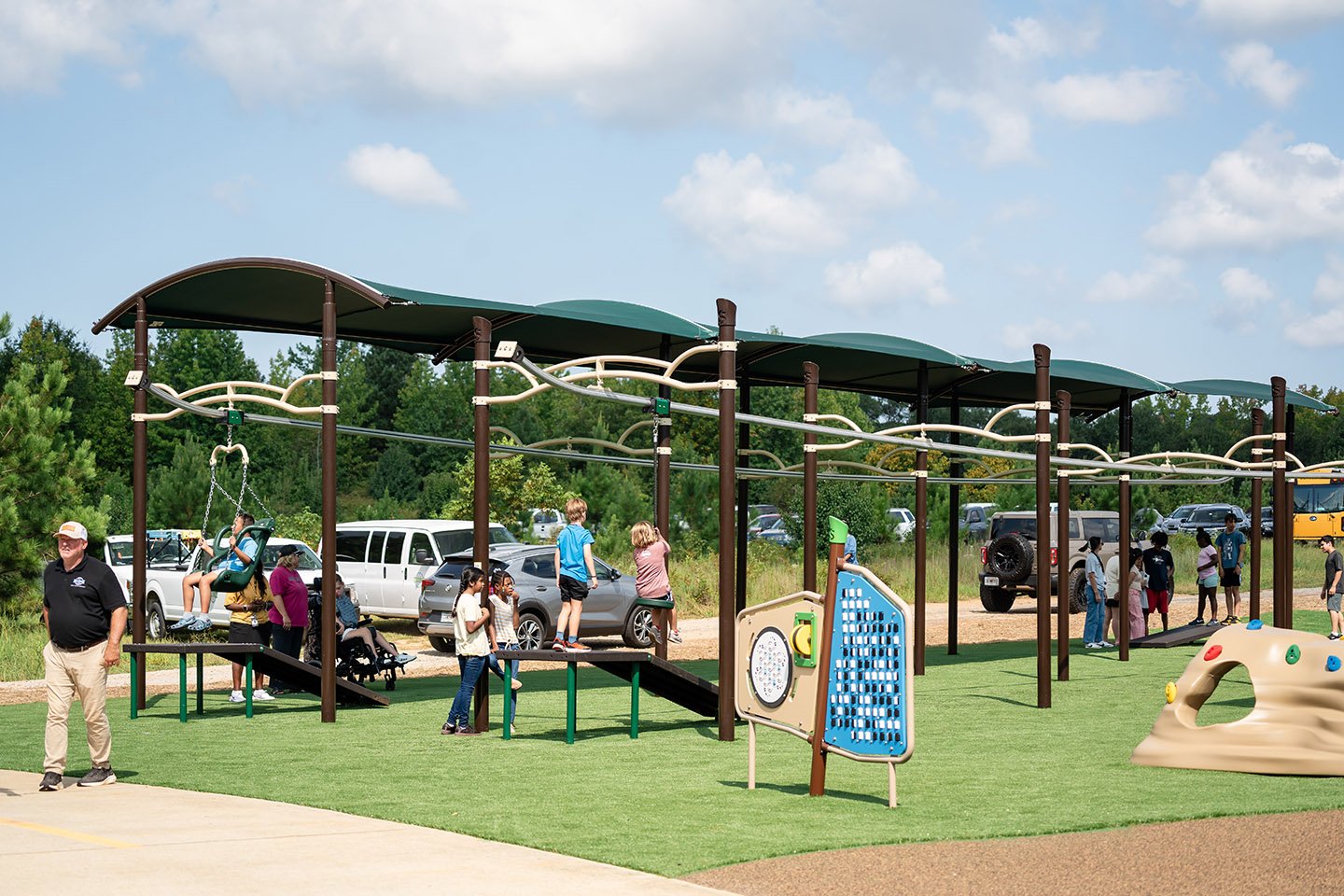
Different types of play encourage different skills and developmental experiences. A well-rounded playground should offer opportunities for physical, social, imaginative, and sensory play.
Consider incorporating a variety of equipment and activities, such as:
- Climbing structures that encourage strength, coordination, and problem-solving
- Slides that provide excitement
- Swings that provide vestibular and balance development
- Spinners and rotating equipment that introduce movement and spatial awareness
- Interactive panels that encourage exploration and imaginative play
- Themed playground equipment that inspires storytelling and creative adventures
- Rope climbers that challenge children to develop strength and coordination
The best playground designs bring different types of play together to create an engaging experience for a wide range of children.
7. Not Considering Maintenance and Long-Term Durability
A playground is a long-term investment, and its maintenance requirements should be part of the planning process.
Choosing equipment based solely on appearance or initial cost can create challenges down the road. Materials, finishes, hardware, and overall construction quality can all influence how well playground equipment holds up to regular use and outdoor conditions. Consider a company who holds a made in America stamp (like us!) so you know you're getting quality playground equipment.
Before making your selections, consider:
- What materials are used in the equipment?
- What maintenance will be required?
- Are replacement parts available?
- What warranties are offered?
- How will the playground hold up to weather and heavy use?
It's also important to establish an ongoing inspection and maintenance plan. Regular inspections help identify wear, damage, and potential maintenance needs before they become larger issues. Some sales representatives offer inspection and maintenance services, giving you a go-to company in your local area.
Selecting durable equipment and planning for routine maintenance can help protect your investment over time.
8. Waiting Too Long to Bring in a Playground Planning Partner
One of the biggest mistakes in playground development is waiting until the design is nearly complete to involve a playground manufacturer or planning partner.
Early collaboration can help identify potential challenges, explore product options, and ensure that your ideas align with your site's requirements and project budget.
An experienced playground partner can help you evaluate equipment configurations, consider age groups and play preferences, incorporate accessibility, and coordinate additional features such as shade structures and site amenities.
They can also help you think through details that might otherwise be overlooked, from layout considerations to product selections.
The earlier you bring the right people into the process, the more opportunities you have to create a cohesive playground design.
Start Your Playground Project With a Plan
A successful playground is about more than choosing equipment. It's about creating a space that brings people together, encourages exploration, supports different types of play, and serves your community for years to come.
By evaluating your site, establishing a realistic budget, prioritizing inclusion, and considering the entire playground environment, you can avoid common planning mistakes and make more informed decisions throughout your project.
At Superior Playgrounds, we bring together playground equipment, shade structures, shelters, and site amenities to help communities create engaging outdoor spaces. From initial planning to the final details, our team can help bring your playground vision to life.
Frequently Asked Questions About Playground Planning
What should I consider first when planning a playground?
Start by evaluating your site, identifying your target age groups, establishing a project budget, and determining the needs of your community. These factors will help guide your equipment selections and overall playground design.
How much space do I need for a playground?
The amount of space needed depends on the equipment selected, its required use zones, accessibility routes, and additional site features. Always account for manufacturer specifications and applicable safety standards when determining your playground layout.
What equipment should every playground include?
There is no single equipment combination that works for every playground. A well-designed playground typically incorporates a variety of activities, including climbing, sliding, swinging, and interactive play. The best selection depends on your available space, target age groups, and community needs. However, most people include a main playground structure that targets their age group, along with several freestanding play pieces like swings, climbers, and musical instruments.
How can I make my playground more inclusive?
Incorporate accessible routes, appropriate surfacing, ground-level activities, inclusive play components, and opportunities for children with different abilities to play together. This could include outdoor musical instruments, a ramped playground structure, ground-based play panels, inclusive swing seats, sensory panels, and more. Considering inclusion from the beginning makes it easier to create a cohesive design.